Who Is What Is A Self Propelled Wheelchair And Why You Should Care


What is a Self Propelled Wheelchair?
Sometimes referred to a manual wheelchair, a self-propelled chair is designed to allow the user to operate independently and manually move while sitting. This is different from the attendant or carer propelled wheelchair that has smaller wheels on the back and is designed to be pushed by an attendant or proxy.
They are easy to manoeuvre
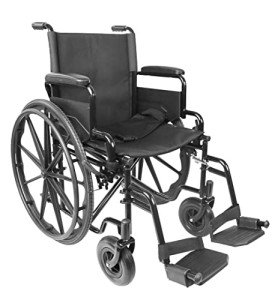
Self-propelled wheelchairs are generally more maneuverable and lighter than manual chairs. This makes them easier to transport and can reduce the stress on your shoulders. It is crucial to keep in mind that the weight of the user will affect how easy it is for you to push the chair over a long distance. You must make sure that the person's hands can reach the hand rims easily otherwise, they'll be struggling to grip and push the chair.
The wheelchair should be able to accommodate any obstacles. For instance, kerbs or high thresholds can create obstacles that prevent wheelchair users from proceeding. With the appropriate wheelchair, these hurdles can be overcome. With practice the user of a wheelchair can learn to sit on two rear wheels, allowing them to get over kerbs as well as other obstacles.
Ask your doctor or carer about the options available to you if are unsure of which type of wheelchair is right for you. In addition to a standard self propelled wheelchair, there are numerous options to help you maintain your independence and get the most out of your daily life.
The key to choosing a self-propelled chair that is easy to manoeuvre is the size of the rear wheels. The larger the wheels the more easy it is to move. The size of the wheel also determines the weight that the chair is able to support.
The best option for you is based on the frequency and length of time you're planning to travel. A lightweight self-propelled chair is a good choice if you're traveling short distances. On the other hand, if plan to travel longer distances, consider a bariatric self-propelled wheelchair specifically designed to assist people with heavier body weights. Seat-to-floor is another factor to consider. If you suffer from hemiparesis you might need to select the wheelchair that has an lower seat-to-floor distance. This is because one side of the body is likely to be more active in pushing than the other. In these instances the lower height will be more comfortable.
They are lightweight in weight.
Self-propelled wheelchairs are a mobility aid that allows the user to maneuver themselves without relying on someone else for their mobility. This can be a major relief for those who lost their independence through illness or injury and gives them a new lease on life. It's empowering to be in a position to move about with a little help.
These wheelchairs are made from lightweight materials, making them easy to move and maneuver. These wheelchairs can be used on a variety of surfaces and are robust. Some models can be transformed into a walking frame. For instance, the award-winning Rollz Motion can be easily transformed from a wheelchair into an actual walking frame with the flick of a wrist. This is a great option for people who are worried about their ability to walk for long distances.
Self-propelled lightweight wheelchairs are typically made of aluminium, and can support up to 230 kg. They can be made to meet your individual needs by adding accessories like trays, carry bags or oxygen bottle holders. For more specialised needs, a bariatric self-propelled chair can be bought that is more robust and larger to accommodate more weight.
Some of the lightweight wheelchairs are also foldable, which makes them more compact when not in use. This makes them ideal for travelling because they take up less space than other kinds of wheelchairs. visit this page is especially useful for those who live in smaller homes or have limited storage space at home.
Selecting the right wheelchair is important since it is an essential element of your day to day life. For this reason, it is advised to consult your physician or rehabilitation specialist before buying a wheelchair. They can give you more information about the various wheelchairs available on the market and will recommend the most suitable solution for your needs.
In general, light self-propelled wheelchairs are a good choice for anyone with a moderate level of strength and mobility. They are easy to maneuver, are easy to maintain and require very little maintenance.
They can be stored easily
For those with mobility issues, they can pick from a variety of wheelchairs. They are available in a variety of sizes and models, including self-propelled models that can be driven by a battery-powered motor. These chairs are great for those who have weak strength or cannot use their hands. These chairs allow users to move independently and stop being a strain on their families.
Wheelchairs are available in a variety of shapes and sizes to suit various requirements. They can be equipped with a variety of accessories and options to enhance comfort and functionality. They include padded seats, armrests and backrests which provide support and help to reduce pressure. They can also be modified to meet the needs of the user and are available in a range of designs and colours.
Some wheelchairs can be folded and disassembled to make them easy to transport and stowage, while others can be disassembled at the rear axle and then placed under the car for transport. This makes them an ideal option for those who need to travel long distances, or require transporting their chair from the home to the workplace. Some wheelchairs are equipped with removable footrests that can be swung or adjusted to accommodate different footwear. This feature is an excellent feature to have particularly for outdoor activities like cycling, walking and shopping.
Self-propelled wheelchairs are built from lightweight materials, which make them easier for users to move around. They can also be folded down when not in use. They are suitable for the majority of people and come with a variety of seating sizes that can accommodate different body types. They can be equipped with a variety of features that enhance safety and comfort.
There are several different wheelchairs for those who require assistance with mobility, such as basic wheelchairs designed for people who weigh up to 300 pounds and can be pushed by an attendant when the user's energy levels are low. Specialized wheelchairs can be made specifically for specific sports. For instance beach wheelchairs have larger tires that aid in navigating the terrain and increase their stability.
They are a fantastic way to boost your fitness
A self propelled wheelchair is an excellent method to increase your fitness level and keep or gain independence. They are not electric wheelchairs. They are powered by the user and allow them to move in any direction they want without needing help. They are simple to maneuver and offer incredible flexibility. However it is crucial to keep in mind that you will require an impressive upper body strength to move around. This is particularly true when you're trying to push yourself upwards on uneven surfaces or uphill.
Wheelchair users must do regular aerobic exercises (which raise your heart rate and causes you to sweat) and exercises to strengthen muscles. This doesn't necessarily require a gym membership or playing competitive sports however, they can be beneficial options too. Instead, you should find a wheelchair-friendly exercise that is appropriate for your level. You can also work closely with an exercise physiologist who is licensed to develop a plan for you.
Your back is among the most vital muscles used by wheelchair users. You'll require a strong back to propel you up hills over obstacles, and across the terrain, regardless of whether you use manual or an all-terrain lever-driven chair. Your shoulders and chest are also essential muscles. You can push yourself even further by incorporating exercises targeting these muscles in your exercise routine.
If you are a first-time wheelchair user It is recommended you practice your propulsion skills on a smooth, level surface before moving to an outdoor setting. The goal is to reach an average of 1 push per second. You can practice this by using a bubble wrap to balance the wheels or by providing audible feedback.
You can also build your muscles by taking off the armrests from your wheelchair and pulling them with both your hands while keeping your elbows separate. This will strengthen the latissimus muscle, which is responsible for pulling and pushing. Start these exercises slowly, and gradually increase your speed and endurance over time.